Talking about the healthcare industry cataract surgery in Hadapsar , is the unsung hero that makes the restoration of clear vision possible for thousands of people through a highly sophisticated and minimally invasive procedure. While the surgical equipment and intraocular lenses (IOLs) are a recognizable part of modern-day ophthalmology, it is the idea of a “smooth recovery process” that makes it possible for the patient to attain the visual stability required for effective use. Without a superior method of post-operative care, even the most perfectly conducted surgery would inevitably fail to deliver the desired results for the patient, either in the short term or the long term, and could potentially develop complications even within the time span of days alone.
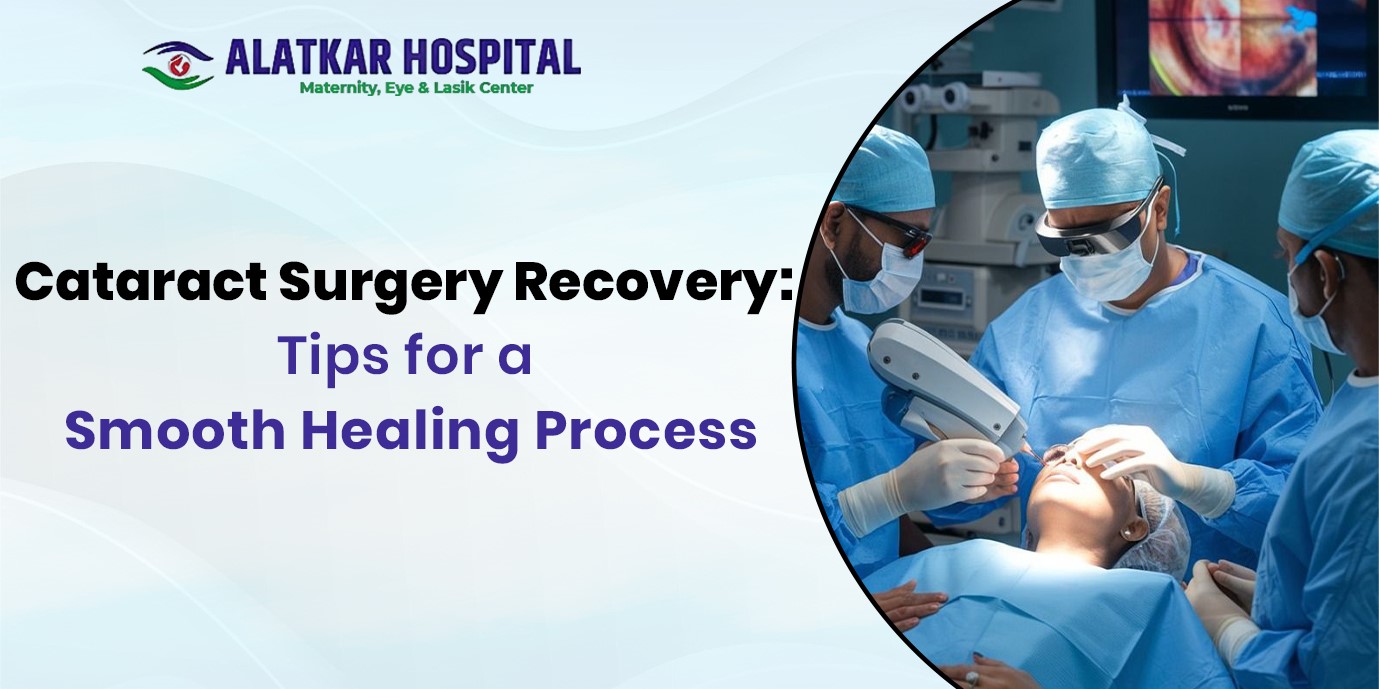
At Alatkar Hospital, as one of the leading healthcare providers, we are providing specialized services in the field of ophthalmology of a superior kind, on par with what is currently in vogue across the world. We understand that in today’s vision restoration, the best eye surgeon in Pune is like a constant management of the highly sensitive biological environment of the eye.
What is Cataract Surgery Recovery?
These are the most important days and weeks after the cloudy lens has been extracted and the artificial lens has been implanted. Unlike any other type of minor surgery, which may only require the patient to rest, the recovery process after eye surgery is a “two-pronged” development. This means that the patient must avoid infection while also making sure that the artificial lens is perfectly implanted, composed of tissues that are extremely sensitive to pressure and outside contaminants.
Generally, the critical functions of a high-performance recovery phase include:
- Controlling Inflammation: This is achieved by balancing the body’s natural healing process with the use of medicated eye drops.
- Assisting Neural Adjustment: This is accomplished by allowing the brain to adjust to the new and clear visual images transmitted from the eye.
- Precision Protection: This is a critical aspect of long-term visual clarity, as it ensures that the outside world does not affect the microscopic incisions.
Primary Causes of Recovery Complications
The first step to improve the success rate and the visual lifespan of the eye is to recognize the factors that might lead to complications in the healing process. The factors that lead to complications are:
1. Environmental Contamination and Poor Hygiene
Poor hygiene and exposure to contaminants can lead to “gritty” irritation or infections.
- The Problem: Poor hand washing or touching the eye leads to the entry of bacteria into the healing area.
- The Effect: In dusty or “water-rich” environments (such as swimming pools), failure to protect the eye leads to the entry of corrosive materials into the foundations of the eye.
- Alatkar Solution: Under our standard post-op instructions, we stress the importance of using sterile shields and following strict hygiene practices to ensure a clean healing environment.
2. Physical Stress and Pressure
The most common factors that lead to lens displacement or incision leakage are physical stress.
- The Problem: Bending, lifting, or rubbing the eye during sleep.
- The Effect: This leads to increased intraocular pressure, which may open the surgical area or displace the IOL.
- Alatkar Solution: We adopt a “safety first” policy and provide patients with protective equipment to prevent accidental contact or pressure points.
3. Inadequate Medication Compliance
The smallest miscalculation in the eye drop regimen may have repercussions on the whole treatment process.
- The Problem: Missing the prescribed use of antibiotic or anti-inflammatory eye drops.
- The Effect: This may cause “cloudy” vision or redness, as observed in cases of chronic inflammation.
- Alatkar Solution: We provide extensive counseling and customized plans to suit the needs of every patient’s lifestyle.
How to Prevent Complications During Recovery
Prevention involves proactive care and follow-up visits.
1. Strict Eye Drop Care
- Frequent Administration: Follow the administration of eye drops as directed by the best eye surgeon in Pune.
- Symptom Observation: Observe any unusual pain or light flashes, as our methods are based on the tenets of de-escalation of surgical risk.
- No Contamination: Do not touch the tip of the dropper to your eye or any other surface to prevent bacterial entry.
2. Proper Lifestyle Changes
The lifestyle you choose to follow during recovery is critical to developing resistance to environmental stress.
- Environmental Resistance: Wear the best UV-protected sunglasses to protect your eye from strong light and wind-borne dust.
- Activity Load: Ensure that your activity level remains low; avoid strenuous exercise and swimming for at least two weeks after surgery.
3. Leveraging Professional Follow-up Care
Precision follow-ups are recognized as the “gold standard” in eye care.
- Improved Control: Follow-up care at Alatkar Hospital enables the surgeon to assess the healing of the incision and the placement of the lens.
- Functional Stability: Professional follow-up care allows patients to intuitively grasp the improvement of their vision, fostering balance and confidence.
Top Patient Groups Counting on Alatkar Hospital
We are confident that the standard of our cataract services is on par with or better than the best international practices for different patient groups:
- Seniors and Retirees: Aiming to regain their independence and safety in their everyday activities through improved vision.
- Working Professionals: Professional follow-up care allows patients to intuitively grasp the improvement of their vision, fostering balance and confidence.
- Diabetic Patients: Requiring specialized care to cope with the increased risk of inflammation and delayed healing.
- Active Individuals: Counting on our “safety-first” recovery advice to get back to their favorite activities as soon as possible.
Why Choose Alatkar Hospital for Cataract Surgery in Hadapsar?
As one of the most trusted eye care facilities, Alatkar Hospital is dedicated to its mission of providing:
- Expert Surgical Quality: Surgeries conducted by the best eye surgeon in Pune, adhering to international standards.
- Customized Recovery Plans:Consultations available for the specific requirements of each patient’s eye health history.
- Proactive Care: A team available to de-escalate risks in recovery and ensure a better quality of life with restored vision.
Conclusion
The quality of your recovery will have a massive impact on the visual lifecycle of your eye. Alatkar Hospital is the partner you need to create a safe healing world, whether it is for a complicated case or a simple procedure. With good hygiene, stress control, and medication, it is easy to create a world with a minimum amount of trouble for your vision.